GuidesSkin & non-surgical
Low-downtime skin treatments before you fly home
Botox, fillers, skin boosters, laser lifting and Ultherapy are short, low-downtime skin treatments with no hospital stay, and our partner clinic in Seoul says normal daily life can continue afterwards. Low downtime still means small bruises, redness or swelling can show for a few days. Book them early in your trip and keep the last days before your flight free.

Which treatments usually have little downtime?
At Urban Plastic Surgery, our partner clinic, the non-surgical treatments are short sessions. None needs an incision or stitches, and the clinic lists no follow-up visit for them. Where the clinic gives a treatment time, it is shown here:
- Botox: under 10 minutes with numbing cream. Used for expression lines on the forehead and between the brows, and for a strong jaw muscle.
- Dermal fillers: under 10 minutes with numbing cream. Used for hollows and folds, such as smile lines, the lips, the cheeks and around the eyes.
- Skin boosters: under 30 minutes with numbing cream. Used for dry, dull skin.
- Laser lifting: 10 to 20 minutes; numbing cream is optional. The device heats the skin, so ask which one is used and what change to expect.
- Ultherapy: a session of up to 30 minutes, under numbing cream or sedation. In the US its FDA clearance covers brow lifting, lifting loose neck tissue and tissue under the chin, and improving lines on the chest.
- Fat-dissolving injections: numbing cream, used for small areas of fat such as a double chin, the jawline or the upper arms.
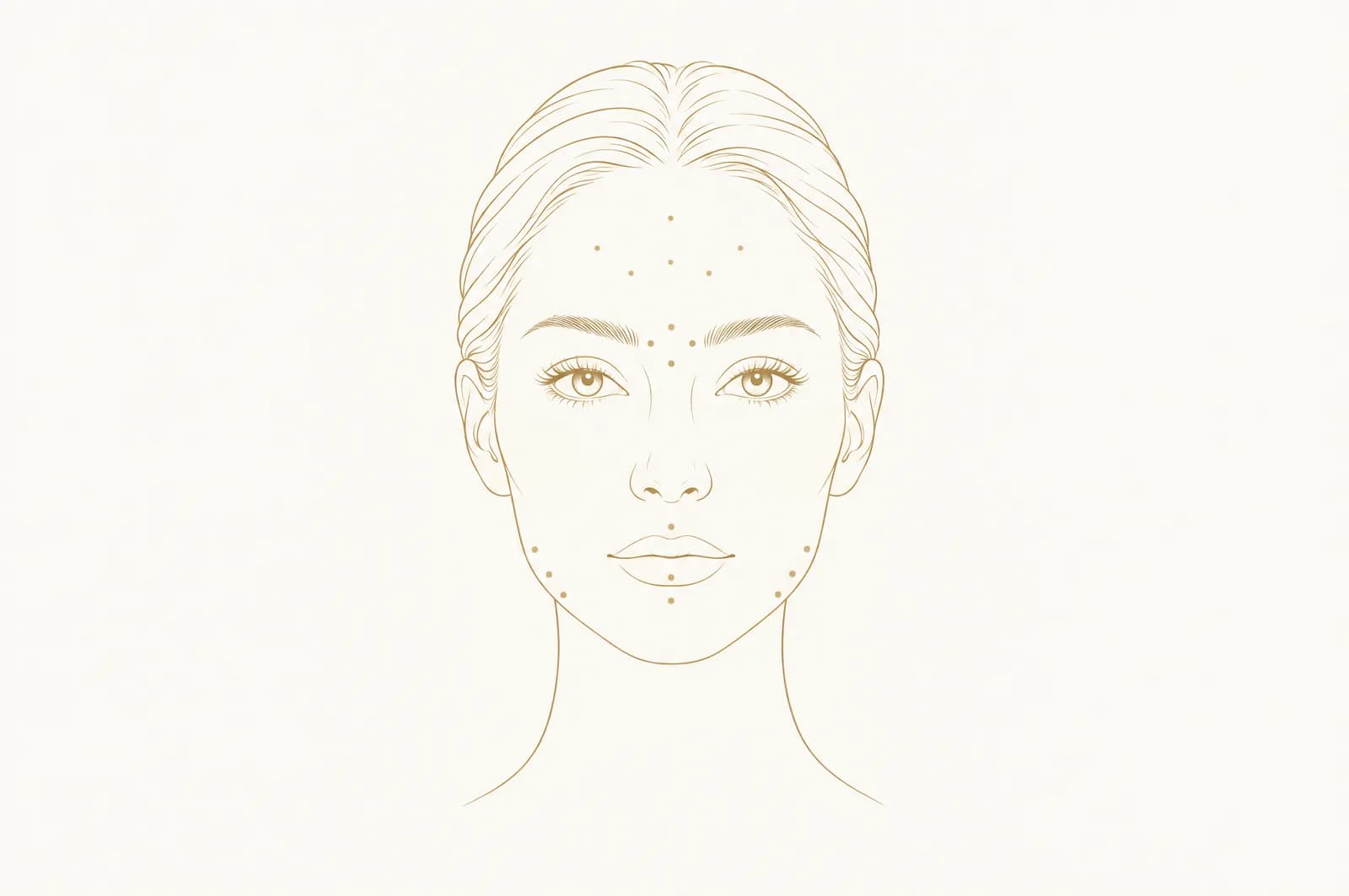
What does each one usually look like afterwards?
Downtime here means what other people can see afterwards. The pattern below is the usual one, but your own skin, the amount treated and the area all change it, so ask the doctor what to expect for your plan.
A thread lift is in the table too. The clinic lists it with its lifting procedures rather than its skin treatments, but people often ask about it for a short stay. What matters for travel: a session lasts about 30 minutes, it is done under local anesthesia, and there are no stitches to take out.
| Treatment | What it targets | Typical visible downtime | Flying notes |
|---|---|---|---|
| Botox | Expression lines and a strong jaw muscle | Often nothing, sometimes a small mark or bruise at a needle point | Do not press or rub the area, including with a tight sleep mask |
| Dermal fillers | Hollows and folds | Swelling, tenderness and possible bruising for some days | Book early in the trip and carry the product name and clinic contact details |
| Skin boosters | Dry, dull skin | Small raised marks and redness at the needle points | Keep makeup off the needle marks until the clinic says it is fine |
| Laser lifting | Depends on the device; ask what it treats | Redness or warmth that settles | Sunscreen and a hat on the way to the airport |
| Ultherapy | Mild looseness at the brow, chin and neck | Short-lived redness, sometimes with swelling | If you have sedation, rest that day and do not travel alone |
| Fat-dissolving injections | Small areas of fat | Swelling, tenderness and bruising in the treated area | Ask how long swelling usually lasts and leave that time before the flight |
| Thread lift | A small lift of the cheeks and jaw | Swelling is common, dimpling is possible | No stitches to remove, but ask for a check before you fly |
How much bruising, redness and swelling is normal?
Injections leave needle points, and any needle can nick a small blood vessel. That is why bruising after fillers, Botox, skin boosters or fat-dissolving injections can happen even when the treatment went well. Areas with thin skin, such as under the eyes and around the lips, tend to show it more. Some medicines and supplements that thin the blood make bruising more likely. Tell the clinic what you take, and do not stop a prescribed medicine without asking the doctor who prescribed it.
Energy devices heat the skin instead of piercing it, so redness and warmth are more typical than bruises. A systematic review of microfocused ultrasound, the technology behind Ultherapy, found short-lived redness with or without swelling. The same review rated the treatment as moderately painful, and the clinic offers numbing cream or sedation for it.
Thread lifts have their own pattern. Across 26 studies pooled in a meta-analysis, 35% of thread lift patients had swelling and 10% had skin dimpling. Infection and a thread coming through the skin were each reported in 2%. These numbers come from many clinics and methods, so ask the doctor how often they see each one.
If a bruise appears, ask the clinic whether a cold pack wrapped in a cloth, used for short spells, is fine for you, and sleep with your head a little raised the first night. Once the needle marks have closed, concealer covers most small bruises. A bruise often turns yellow or green as it fades, which is part of normal healing.
What should you avoid before you fly?
Most of the care after these treatments is about not adding heat, pressure or irritation while the skin settles. Follow the clinic’s written aftercare first. The points below are the usual ones for a trip:
- Sun: wear sunscreen and a hat, and keep treated skin out of strong sun, especially after laser lifting.
- Heat: skip saunas, jjimjilbang bathhouses, hot yoga and very hot showers until the clinic says the skin has settled.
- Alcohol: it can make swelling and bruising worse, so leave it out around your treatment days and on the flight.
- Rubbing and pressure: do not massage the area, use a face roller or press a tight mask on it unless the clinic says you may.
- Hard exercise: keep the day of an injection quiet.
- New skincare: hold off on exfoliating acids, retinoids and scrubs on treated skin until the clinic clears them.
- On the plane: cabin air is dry, so use a plain moisturizer, drink water and keep your hands off your face.
How do you fit skin treatments around a surgery trip?
If you are coming for surgery, the operation sets the calendar and skin treatments fit around it. Ask your surgeon before you book anything else, including a treatment on a different part of the body. Our surgery trip timeline shows how the weeks usually run.
- Before surgery, tell the surgeon about every filler, thread, Botox or device treatment you have had, with dates and product names if you have them.
- Do not start new injections or device treatments on the area that will be operated on unless the surgeon agrees.
- After surgery, wait until the surgeon clears the operated area for needles or heat. After an SMAS facelift, which needs 10 to 14 days in Seoul, that point may come after you have flown home.
- If the surgeon agrees to a skin treatment during the same trip, ask for it early enough to leave time for a check before your flight.
- For lifting, read how devices and surgery differ in our guide to surgical vs non-surgical facelift before you decide what to book.
How should you plan a short trip for skin treatments only?
A trip for skin treatments alone can be short, but the order still matters. A simple plan looks like this:
- Send clear photos and your questions before you book flights, so the plan and the number of sessions are agreed early.
- Have the consultation soon after you arrive. The doctor checks your skin and confirms what is suitable.
- Put the injections and device treatments at the start of the trip, not the end.
- Leave the final days for rest, sightseeing in the shade and a check if you need one.
- Fly with sunscreen, a hat, a plain moisturizer and the clinic’s contact details in your hand luggage.
Which signs need a doctor quickly?
Most bruising and swelling fade without help. The first three signs below are emergencies, before or after you fly: get emergency care first, then tell the clinic. For the others, contact the clinic straight away, or see a local doctor promptly if you are already home:
- After a filler: pain that gets worse instead of better, skin that turns pale, white, blue or blotchy, or a face that droops, an arm that turns weak or slurred speech, which can mean a stroke.
- After any treatment on the face, including Ultherapy near the brow: a change in your vision, or severe pain in or around the eye.
- After any treatment, including Botox or fat-dissolving injections: trouble swallowing, speaking or breathing.
- Redness that spreads, heat, pus or a fever, which can mean infection. If swelling, redness and pain spread quickly, for example after a thread lift, get emergency care first, then tell the clinic.
- Blisters, burns or marks in lines or dots after a device treatment.
- A lump that is hard, painful or growing, or a thread you can see or feel coming through the skin.
What should you ask before booking a skin treatment?
Before you book, ask who will treat you and whether it is a doctor. Ask which product or device will be used and whether it is approved for use in Korea. Ask how many sessions are planned, what the written plan includes and how to reach the clinic once you are home, including whether they reply to photos sent by messenger.
Prices vary with the product, the amount and the number of sessions, so ask for a written quote instead of comparing headline numbers. Fillers are quick but wear off over time, so ask how long the product usually lasts and what a later top-up would involve. Be careful if nobody can tell you who will treat you or which product will be used, or if you are pushed to add treatments on the day.
You can start a free consultation to get these answers. A patient coordinator answers first, then the doctor at the partner clinic that fits your case reviews your photos and consults in depth. Product, amount and number of sessions are set by that doctor, since the coordinator is not a doctor. For every treatment we cover, see the skin and non-surgical treatments page.
More questions
Do these treatments need a follow-up visit before I fly?
The clinic lists no follow-up visit for Botox, fillers, skin boosters, laser lifting, Ultherapy or fat-dissolving injections. You can still ask to be seen if something worries you, which is a good reason to leave time between your last treatment and your flight.
Is it a good idea to have a treatment on my last day in Seoul?
It is better not to. If a bruise, swelling or a reaction appears, you want the clinic to be able to see you. Book treatments early in the trip and keep your last day free.
Can I wear makeup after Botox or fillers?
Not on open needle marks. Keep makeup and skincare off them until they have closed, use clean brushes or sponges when you start again, and ask the clinic at your appointment, since the timing depends on the treatment.
What should I bring home from the clinic?
Ask for a written note of the products used, the amounts, the areas treated and the date. A doctor at home will need this if you have a problem later or want another treatment.
Can I combine several skin treatments in one visit?
Sometimes, yes. More treatments in one session can mean more redness or swelling at once. Ask the doctor which ones can be done together, which order they suggest, and how that changes the time you should leave before your flight.
What if a problem starts after I get home?
Get emergency care where you are first, then tell the clinic, if you have a change in vision or severe eye pain; trouble swallowing, speaking or breathing; swelling, redness and pain that spread quickly; or, after a filler, worsening pain, pale or blotchy skin or stroke signs. For other signs of infection, a burn or a thread coming through the skin, see a local doctor promptly and send the clinic photos. Bring the written note of products and areas.
Procedures in this article
Sources
- A Systematic Review of the Efficacy of Microfocused Ultrasound for Facial Skin Tightening. PubMed Central, US National Library of Medicine
- A Meta-Analysis and Systematic Review of the Incidences of Complications Following Facial Thread-Lifting. PubMed, US National Library of Medicine
- Ulthera System 510(k) premarket notification K180623. US Food and Drug Administration
- Facial fat grafting vs facial fillers. American Society of Plastic Surgeons
- Dermal Fillers (Soft Tissue Fillers). US Food and Drug Administration
- BOTOX Cosmetic (onabotulinumtoxinA) prescribing information. US Food and Drug Administration