Facelift & anti-aging
SMAS facelift in Korea
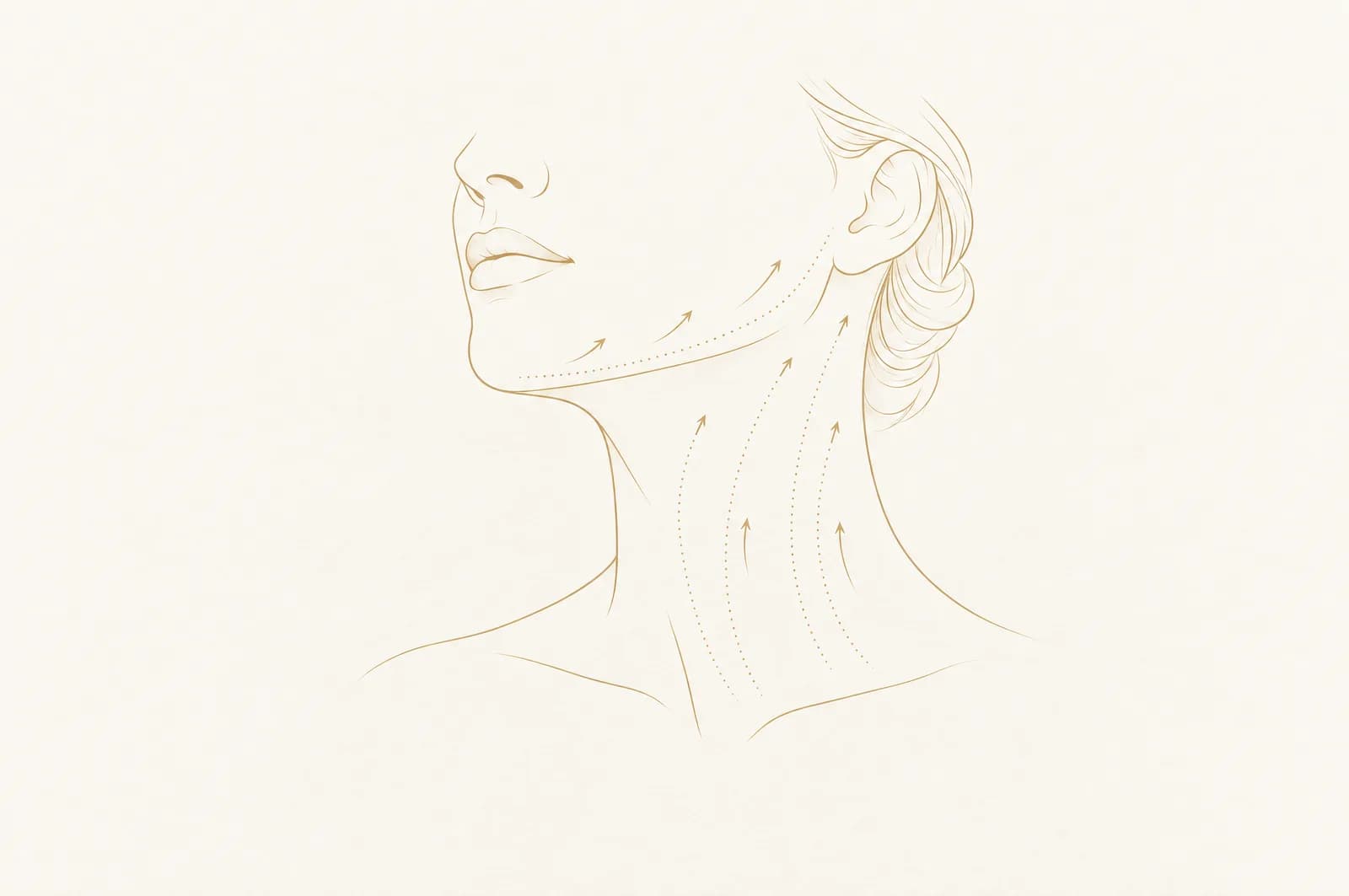
An SMAS facelift lifts the deeper layer under the skin to treat sagging in the mid face, lower face and neck. It usually suits people in their 50s or older. Surgery takes about 2 to 3 hours under general anesthesia. Most people return to daily life in 1 to 2 weeks and plan 10 to 14 days in Seoul.
Who is a good candidate for an SMAS facelift?
- Your cheeks have dropped and your jawline has lost its shape, with jowls along the jaw
- You have deep folds in the mid and lower face, and loose skin or lines on your neck
- You want the mid face, lower face and neck treated in one operation. The clinic usually suggests this lift from your 50s onward
- You are in good general health and can take about two weeks away from work and social plans
When it may not be the right choice
- You smoke and cannot stop for several weeks before and after surgery. Smoking makes poor healing and skin loss more likely
- Your sagging is mild and mostly in the lower face. A mini facelift may be enough
- You have a bleeding problem or take blood thinners that you cannot pause. This raises the risk of bleeding under the skin
Which method fits you?
The clinic offers a full SMAS facelift and a shorter mini facelift. In a full facelift the surgeon also sets how deep and how wide the dissection goes. The clinic describes three levels: one for early signs of aging, one for heavier sagging or asymmetry, and one that lifts the face and neck together. Ask the surgeon which level fits your face and what it involves.
| Method | What happens | Suits | Downtime |
|---|---|---|---|
| SMAS facelift (full) | An incision runs from in front of the ear to behind it. The SMAS layer is freed, lifted upward and fixed, and extra skin is trimmed. | Usually people in their 50s or older, with sagging in the mid face, lower face and neck | 1 to 2 weeks |
| Mini facelift | A short incision near the temple. Loose skin and the SMAS layer are lifted over a smaller area, and some skin is removed. | Usually people in their 20s to 40s, with sagging mainly in the lower face, such as the cheeks | About 1 week |
What happens on the day of an SMAS facelift?
- Consultation with the surgeon. You and the surgeon look at where the sagging is and agree how far the lift should go, including whether the neck is treated.
- General anesthesia. The clinic states that an anesthesiologist gives it and monitors you for the whole operation, so ask who that will be.
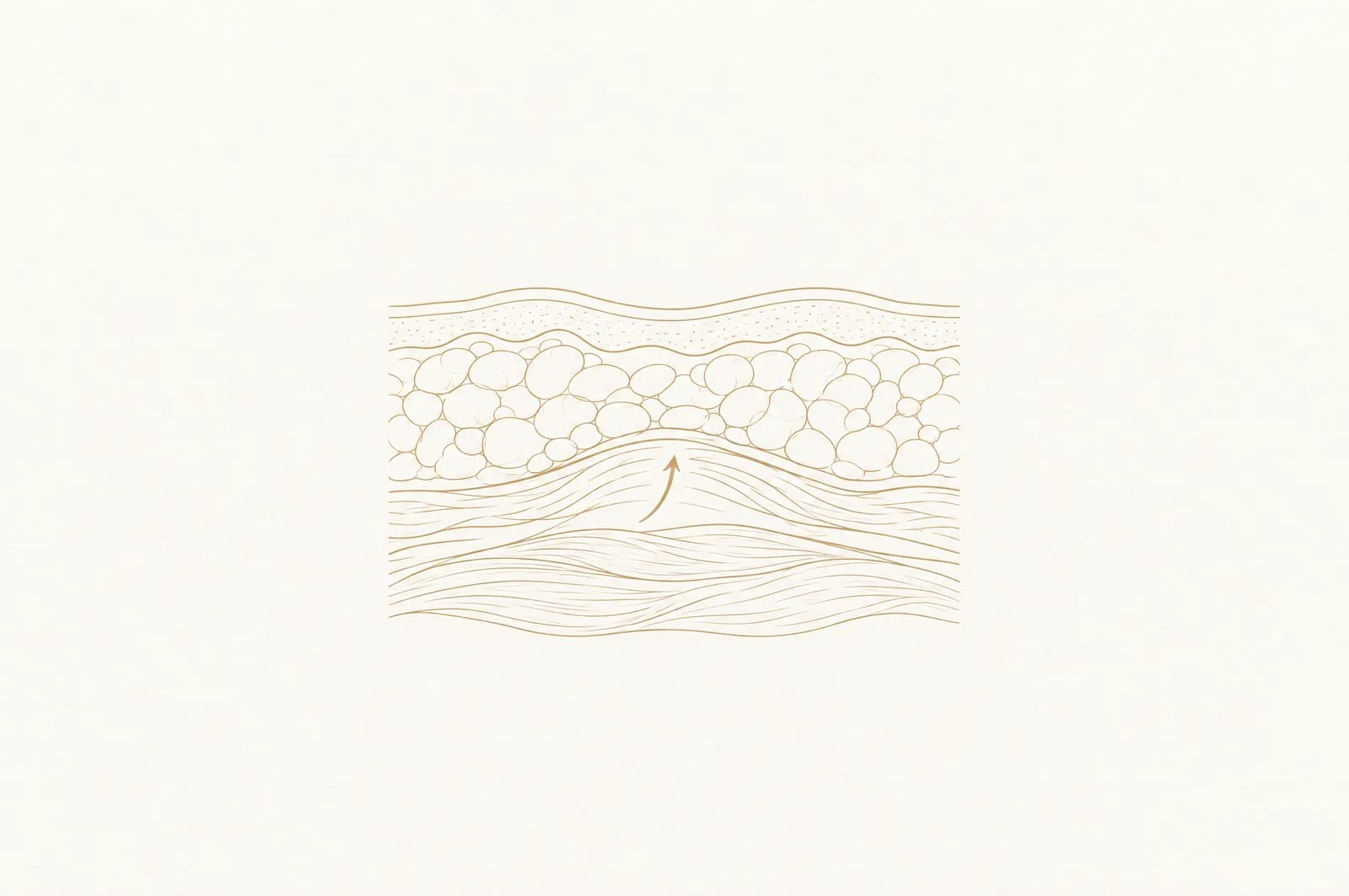
- The incision follows the curve in front of the ear and continues behind it, planned around your sideburn. The SMAS layer is freed and the tissue holding the sagging is released.
- The SMAS is lifted and fixed, the skin is redraped, extra skin is trimmed and the wound is closed in layers. This takes about 2 to 3 hours.
- You rest at the clinic until you are fully awake. The clinic lists no hospital stay, so ask where you will spend the first night and who will check on you.
What is recovery like after an SMAS facelift?
- Days 1 to 3
- Swelling, tightness and bruising build up over the first few days. You rest at your hotel with your head raised.
- Days 7 to 10
- Stitches come out. Bruising fades, but your face still looks swollen and may feel tight or numb in places. Most people return to daily life within 1 to 2 weeks.
- Weeks 2 to 3
- Most people feel ready to be seen in public. Some firmness remains near the ears.
- Months 2 to 3
- Most swelling has gone and feeling returns. Scars are pink and fading.
- Months 6 to 12
- The result has settled. Scars keep softening over the year.
How long should you stay in Seoul after an SMAS facelift?
Plan 10 to 14 days in Seoul. Swelling is heaviest in the first few days, stitches come out on day 7 to 10, and the surgeon checks the incisions before you fly, which for most people means around day 11. A scarf or a hat helps on the way home. Leave alcohol, saunas and hard exercise until your surgeon clears them.
What are the risks of an SMAS facelift?
- Bleeding that collects under the skin (hematoma), which may need draining. If one side swells quickly and becomes more painful, especially soon after surgery, contact the clinic straight away; if you cannot reach the clinic, get emergency care. If the swelling spreads into your neck, or breathing or swallowing becomes difficult, get emergency care first, then tell the clinic
- Nerve injury, with numbness or weakness in part of the face
- Visible or thick scars in front of or behind the ear, or a change in the shape of the earlobe
- Hair loss near the incisions at the temple or behind the ear, which can be temporary or permanent
- Poor healing or loss of skin at the wound edges. The risk is much higher if you smoke
- Asymmetry between the two sides, swelling or numbness that lasts for months, and infection
- Blood clots in the legs or lungs, and the general risks of anesthesia. If you become breathless, have chest pain, or one leg becomes painful and swollen, get emergency care first, then tell the clinic, and do not fly until a doctor says it is safe
What affects the cost of an SMAS facelift in Korea?
There is no SMAS facelift price on this page yet; the clinic quotes after studying your photos. The quote follows the depth and width of the lift, whether the neck is included, and whether eyelid surgery, a forehead lift or fat grafting is added. Ask for a written quote naming the surgeon and the anesthesiologist, with general anesthesia, follow-up visits and stitch removal listed.
More questions
What is the difference between an SMAS facelift and a mini facelift?
The full SMAS facelift lifts the mid face, lower face and neck together through an incision in front of and behind the ear, and the clinic usually suggests it from the 50s. The mini facelift works through a short cut near the temple on mainly the lower face, usually in the 20s to 40s. Recovery is 1 to 2 weeks for the full lift and about one week for the mini.
How long does an SMAS facelift take?
About 2 to 3 hours under general anesthesia. The clinic lists no hospital stay. Ask where you will spend the first night and how to reach the clinic if you have pain or new swelling.
When can I fly home after an SMAS facelift?
Most people fly around day 11, after the stitches come out on day 7 to 10 and the surgeon checks the incisions. You will still look swollen on the flight. Walk up and down the aisle when you can and drink plenty of water.
Can a facelift be combined with other procedures?
Yes. Among the clinic’s facelift cases are combinations with lower eyelid surgery, a neck lift, liposuction under the chin or a forehead lift. Each addition lengthens the operation and may add days in Seoul, so ask the surgeon to plan the whole schedule.
Related procedures
Sources
- Clinic figures as published by Urban Plastic Surgery, collected October 3, 2026. Your surgeon confirms your own plan.
- Facelift (rhytidectomy). NHS
- Facelift Recovery. American Society of Plastic Surgeons
- Facelift Procedure Steps. American Society of Plastic Surgeons
Cases and clinic figures come from our partner clinic, Urban Plastic Surgery. The partnership does not change what we publish about risks and recovery.