Face contouring
Buccal fat removal in Korea
Buccal fat removal takes out part of the buccal fat pad, a deep pocket of fat in each lower cheek, through a small cut inside the mouth. It suits round, full lower cheeks in a face that is not already thin. Our partner clinic lists about 30 minutes under local anesthesia, and a few days in Seoul is usually enough.
Who is a good candidate for buccal fat removal?
- Your lower cheeks look round and full, the look people often call chubby cheeks, and stay that way even at a steady, healthy weight
- The clinic describes the typical case as cheeks that look as if you are holding a candy in each one, which can make the face look heavy
- You can feel soft cheek fat in the hollow area below the cheekbone, and your skin is still elastic
- You want a small change done under local anesthesia, with the cut inside the mouth rather than on the face
When it may not be the right choice
- Your face is already thin or narrow. Removing this fat can make it look gaunt as you get older
- Your face is wide because of the jaw bone or a strong chewing muscle, which this surgery leaves as they are
- The fullness is mostly fat just under the skin of the cheeks and jaw. Face liposuction treats that layer
- You have had fat-dissolving injections in your cheeks. Scar tissue from them can make the fat pad hard to remove, so tell the surgeon first
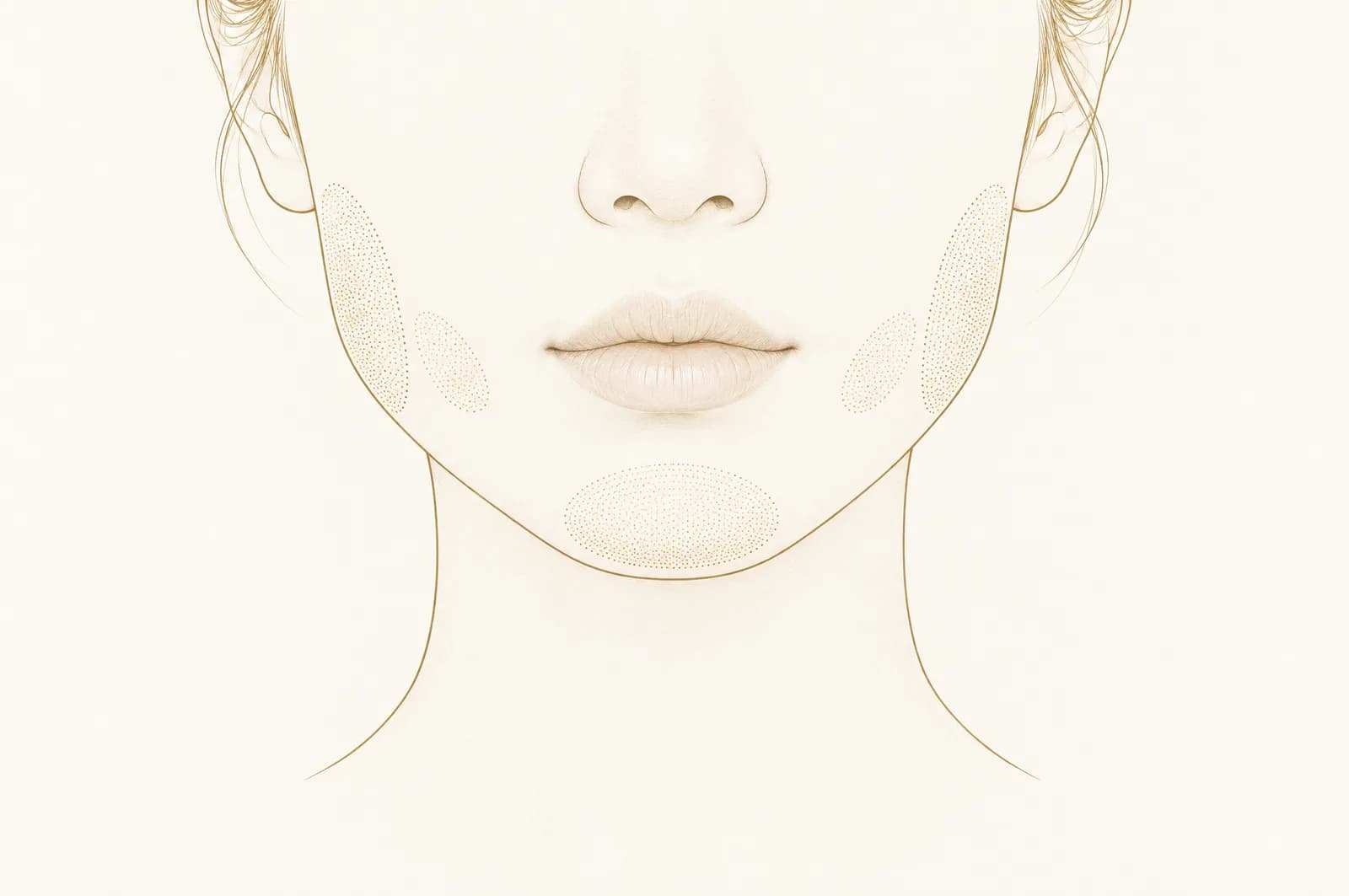
Which method fits you?
Round lower cheeks can come from deep fat, fat under the skin or the chewing muscle, and each has its own treatment. The surgeon works out which layer is responsible before suggesting one, and some faces have more than one cause.
| Method | What happens | Suits | Downtime |
|---|---|---|---|
| Buccal fat removal | Part of the deep fat pad is eased out through a short cut inside each cheek, and the cut is stitched. | Fullness from deep fat in the lower cheeks, in a face that is not thin | Cheek swelling for some weeks; no cut on the skin |
| Face liposuction | A fine tube draws out fat lying just under the skin of the cheeks and along the jaw, entering through tiny cuts behind the ears or under the chin. | Soft fat you can pinch along the cheeks and jawline | Stitches out at day 7 to 10, daily life in about a week |
| Jaw Botox | Injections relax a large chewing muscle (the masseter) at the corners of the jaw. | Width at the jaw corners that hardens when you clench | No cut at all; ask how long the effect lasts and when it is repeated |
What happens on the day of buccal fat removal?
- Consultation. The surgeon looks at your face from the front and side, feels where the fullness sits and agrees how much fat to take from each cheek. The clinic says it weighs your skin, fat, facial proportions and any sagging.
- Local anesthesia is injected inside the mouth, so the cheeks are numb while you stay awake.
- With your mouth open, a short cut is made on the inside of each cheek. Part of the fat pad is drawn out and removed, and the cut is stitched. The clinic lists about 30 minutes for this.
- You walk out the same day with no hospital stay. Ask what to eat for the first days and how to keep the inside of your mouth clean.
What is recovery like after buccal fat removal?
- Days 1 to 3
- The cheeks swell and may bruise, and chewing can feel sore. Soft food and careful mouth care help the cuts inside settle.
- First week
- You can go about daily life, according to the clinic, though the cheeks still look swollen.
- Around week 3
- The inside of the mouth has usually healed. ASPS describes about three weeks to heal from this surgery.
- Months 1 to 3
- Swelling keeps easing slowly. Some people need a couple of months before the new shape of the lower cheeks shows.
How long should you stay in Seoul after buccal fat removal?
A few days in Seoul is usually enough. The clinic lists no stitch removal and no follow-up visits, so the trip can be short, but a check before you fly lets the surgeon look inside your cheeks for bleeding or infection. Swelling can still show on the plane. Tell the clinic promptly about swelling on one side that keeps growing, fever, pus in the mouth or weakness of part of the face. If you become breathless, have chest pain or find swallowing difficult, get emergency care first, then tell the clinic.
What are the risks of buccal fat removal?
- A hollow or gaunt look, if too much fat is taken or as the face naturally loses fat with age. Long-term studies of this surgery are limited
- Uneven cheeks, with one side fuller than the other
- Bleeding into the cheek (hematoma), infection, and firmness in the cheek while it heals
- Injury to a branch of the facial nerve, which can weaken movement of the cheek or mouth
- Injury to the duct that carries saliva from the parotid gland into the mouth
- Trouble opening the mouth fully for a while after surgery (trismus)
What affects the cost of buccal fat removal in Korea?
What changes a buccal fat removal quote is mainly whether it is done on its own or together with other face work, such as face liposuction or a lift, and the anesthesia that combination needs. Prices for it are not on our site yet. A patient coordinator answers first, then the surgeon at the partner clinic that fits your case reviews your photos and consults in depth. Ask for the surgeon’s name and the type of anesthesia to appear in writing. Our consultation is free for you, and you pay only the clinic’s own price for treatment.
More questions
Does buccal fat removal leave a mark on the face?
The cut is made on the inside of each cheek, so the skin of your face is not cut. It is closed with stitches that are usually the dissolving kind, and the clinic lists no stitch removal.
How long does swelling last after buccal fat removal?
Swelling and bruising are most visible in the first days. ASPS describes about three weeks for the inside of the cheek to heal, and some people need a couple of months before the final shape of the lower cheeks shows.
Can buccal fat removal be combined with face liposuction?
Yes, if fullness sits in both layers. Buccal fat removal treats the deep pad, while face liposuction treats fat under the skin of the cheeks and jaw. A combined plan usually means sedation and stitches to remove at day 7 to 10, so expect 7 to 10 days in Seoul and ask for the plan in writing.
Is buccal fat removal a good idea if my face is slim?
Usually not. Surgeons are cautious with thin, narrow faces, because the cheeks can look sunken as the face loses fat over the years. If your face is lean, ask what is causing the fullness you see before choosing surgery.
Related procedures
Sources
- Clinic figures as published by Urban Plastic Surgery, collected October 3, 2026. Your surgeon confirms your own plan.
- Buccal Fat Removal. American Society of Plastic Surgeons
- Buccal Fat Removal Procedure Steps. American Society of Plastic Surgeons
- Buccal fat pad excision for cheek refinement: A systematic review. PubMed Central, US National Library of Medicine
- Buccal Fat Pad Excision: Proceed with Caution. PubMed Central, US National Library of Medicine
- Success Rate of Buccal Fat Pad Removal in Cases of Previous Injection Lipolysis of the Cheeks: A Comparative Analysis. PubMed Central, US National Library of Medicine
Cases and clinic figures come from our partner clinic, Urban Plastic Surgery. The partnership does not change what we publish about risks and recovery.