Breast implant replacement in Korea
Breast implant replacement, also called breast implant revision, swaps your implants for new ones, often for capsular contracture, rupture, a size change or uneven breasts. Under general anesthesia, our partner clinic lists up to 2 to 3 hours, and you leave that day. Light activity resumes after 3 to 4 days; plan 7 to 10 days in Seoul.
- Surgery time
- Up to 2 to 3 hoursUrban Plastic Surgery
- Anesthesia
- General anesthesiaUrban Plastic Surgery
- Time in Seoul
- 7 to 10 days in SeoulGeneral guidance
Questions about your own plan? A patient coordinator replies first, free of charge, then connects you with the partner clinic.

Who is a good candidate for breast implant replacement?
- The capsule of scar tissue around an implant has tightened (capsular contracture), leaving the breast firm, painful or misshapen
- You would like larger or smaller implants, or a different type
- Your breasts look uneven, or an implant has moved, rippled or changed shape
- Your breasts have sagged over the implants with time, weight change or pregnancy
- An implant has ruptured and you want a new one in its place. The clinic notes that a rupture can go unnoticed for a long time because it may cause no symptoms
- There has been inflammation, bleeding or infection around an implant. The surgeon decides whether a new implant can go in at once or the area needs to heal first
When it may not be the right choice
- You want your implants out and nothing put back. Breast implant removal is planned as a different operation
- You expect new implants to end future problems. Capsular contracture can come back after it is treated, and implants are not lifetime devices
- You are not well enough for general anesthesia, or you smoke and cannot stop around the time of surgery
Which method fits you?
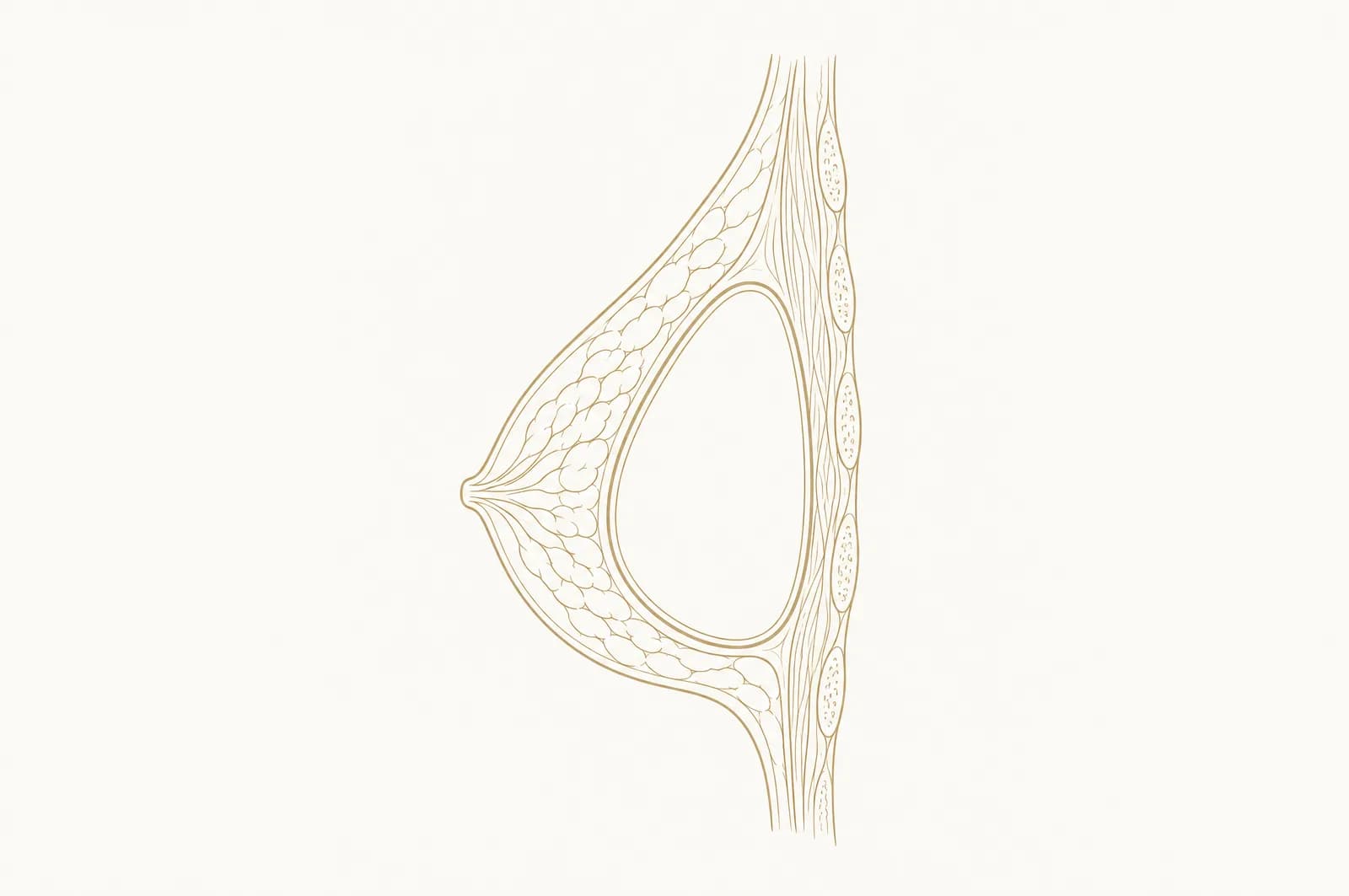
At Urban Plastic Surgery, our partner clinic, a revision is planned around the reason for changing your implants, so the consultation looks at your build, chest circumference, skin condition, how far the breasts have sagged and where the incision should be. A breast implant revision then adds two choices that a removal does not have: the type, size and shape of the new implant, and the pocket it sits in. Ask which of the options below the clinic offers and how each one changes the operation time and your stay.
| Method | What happens | Suits | Downtime |
|---|---|---|---|
| Implant exchange only | The old implant comes out, usually through the old incision, and a new one goes into the same pocket. | A size or type change, or a ruptured implant, with a soft and healthy capsule | Back to light activity in 3 to 4 days, with no stitches to remove |
| Exchange with capsulectomy | Part or all of the hardened capsule is removed before the new implant is placed. | Capsular contracture of Baker grade III or IV, where the breast is firm and visibly distorted | Often a longer recovery than an exchange alone. Ask whether a drain is planned and how long it stays in |
| Exchange with a pocket change | The new implant is placed in a different pocket, for example moved from above to below the chest muscle. | Repeated contracture, an implant that has slipped, or visible rippling | Usually more soreness in the first days, especially when the muscle is involved |
| Exchange with a breast lift | Extra skin is removed and the breast is reshaped around the new implant. | Breasts that have sagged over the implants | Longer scars and a longer recovery. Confirm the days you need before booking |
What happens on the day of breast implant replacement?
- Consultation and exam. The surgeon checks the old implants, the capsule and your skin, and asks what you want from the new ones, using your implant card, operation notes and any recent scan you bring.
- You agree on the new implant, what happens to the capsule and the pocket, and whether a lift is added. List your medicines, past operations and any condition such as high blood pressure, asthma or a drug allergy in advance, because some medicines are stopped before surgery.
- On the day, arrive showered and in loose clothes that open easily. Remove jewelry, piercings and nail polish on your hands and feet, since metal near surgical devices can cause burns. Have no food, water, gum, sweets or coffee for at least 6 hours, and nothing after midnight before general anesthesia.
- A specialist in anesthesiology and pain medicine supervises on site during the general anesthesia. For a straightforward exchange the clinic lists up to 2 to 3 hours, no drain and no stitches to remove. Capsule removal, a pocket change or a lift can add time, so ask how long your own operation will take.
- You go back to your hotel the same day in a compression garment. The clinic advises wearing it for 2 months. If the surgeon sends capsule tissue to a laboratory, agree how the result reaches you at home.
What is recovery like after breast implant replacement?
- Days 1 to 3
- The breasts are sore, tight and swollen. You wear the compression garment and avoid lifting or raising your arms high.
- Days 3 to 4
- After a straightforward exchange, light everyday tasks are usually possible again.
- Days 7 to 8
- Check-up at the clinic. The new implants can sit high at first, and the check looks at their position and the incisions. Once the surgeon is satisfied with both, most people fly home. There are no stitches to remove.
- Week 3
- The clinic asks you to skip strenuous exercise for about three weeks. Check with the surgeon before chest workouts, heavy lifting or running.
- Months 1 to 3
- Wear the compression garment through month 2, as the clinic advises. Swelling goes down, and the new implants slowly sit lower and feel softer. Give it about three months before judging the shape, longer after capsule removal or a lift.
How long should you stay in Seoul after breast implant replacement?
Plan 7 to 10 days in Seoul for breast implant replacement. The breasts feel tightest in the first few days. The check-up falls around day 7 or 8, and you can fly once the surgeon is satisfied at that check. Follow-up takes 3 to 4 visits in all, so agree before you travel which visits happen in Seoul. You go home with no stitches left to remove, still in the compression garment, which the clinic advises for 2 months. Capsule removal, a pocket change or a lift can mean a longer stay. Stay off alcohol and cigarettes for at least a month, since the clinic warns both can delay healing and lead to infection. After breast surgery, the clinic’s aftercare includes breast care equipment, scar laser and scar injections; ask which sessions you can have before your flight. If one side swells quickly and becomes more painful, especially soon after surgery, contact the clinic straight away; if you cannot reach the clinic, get emergency care. If you become breathless, have chest pain, or one leg becomes painful and swollen, get emergency care first, then tell the clinic, and do not fly until a doctor says it is safe.
What are the risks of breast implant replacement?
- Capsular contracture around the new implant, or coming back if you had it before. The risk of severe contracture and of another operation is higher after replacement than after a first augmentation
- Bleeding, a collection of blood (hematoma) or fluid (seroma), more likely when the capsule is removed
- Infection, poor wound healing or a visible scar. If a treated area blisters, or you see spreading redness, heat or fever, contact the clinic straight away.
- The new implant sitting too high, too low or to one side, rippling, or breasts that still look uneven
- Changes in nipple or breast sensation, or pain that lasts
- Rupture or other problems with the new implant over the years, which may lead to more surgery. See a doctor promptly about new swelling, pain or a change in shape of a breast, even years later
- BIA-ALCL, a rare cancer of the immune system that can form in the scar tissue and fluid around an implant, more often with textured surfaces
- Tiredness, joint pain or other whole-body symptoms that some people put down to their implants, often called breast implant illness
- Blood clots in the legs or lungs, which a long flight in the first days makes more likely, plus the usual risks of general anesthesia
What affects the cost of breast implant replacement in Korea?
No breast implant replacement price is listed yet. The clinic prices the plan after it sees your photos and, ideally, your implant card or operation notes. A patient coordinator answers first, then the surgeon at the partner clinic that fits your case reviews your photos and consults in depth. The quote depends on the new implant brand, model and size, on how much of the capsule is removed, on any pocket change or lift, and on the anesthesia. Ask for the quote in writing, naming the surgeon and the new implant model, and check that it covers the compression garment, the 3 to 4 follow-up visits and any lab test. Our consultation is free for you, and you pay only the clinic’s own price for treatment.
More questions
How long does breast implant replacement take?
The clinic lists up to 2 to 3 hours for an exchange, under general anesthesia, and you go back to your hotel the same day. Removing the capsule, changing the pocket or adding a lift can make it longer, so ask the surgeon about your own plan.
Can a ruptured implant go unnoticed?
Yes. A rupture, especially of a silicone implant, can cause no symptoms for a long time, and the clinic notes the same for inflammation. An ultrasound or MRI is the usual way to check, so bring any recent scan reports to the consultation.
What do the Baker grades of capsular contracture mean?
Surgeons grade contracture from I to IV. Grade I feels soft and looks natural, grade II is a little firm but looks normal, grade III is firm and looks distorted, and grade IV is hard, painful and distorted. Grades III and IV are the ones usually treated with surgery.
Can I go bigger or smaller when I replace my implants?
Yes, a size change is one of the common reasons for an exchange. A larger implant may need the pocket widened. Going much smaller can leave loose skin, and some people add a lift. The surgeon checks your skin and tissue before agreeing on a size.
Do breast implants need replacing every 10 years?
There is no set date. Implants are not lifetime devices, and the longer you have them, the more likely you are to have a problem that needs surgery. Many people have them replaced at some point, often for contracture, rupture or a change in their body. Regular checks help you decide when.
Can capsular contracture come back after implant replacement?
Yes. Contracture can form again around the new implant, and the chance of a severe one is higher after a replacement than after a first augmentation. Taking out the capsule or moving the implant to a new pocket are ways surgeons try to lower that chance, though neither removes it.
Related procedures
Guides and short answers
Sources
- Clinic figures as published by Urban Plastic Surgery, collected October 8, 2026. Your surgeon confirms your own plan.
- Breast Implant Revision Risks and Safety. American Society of Plastic Surgeons
- What you need to know about breast implant revisions. American Society of Plastic Surgeons
- Risks and Complications of Breast Implants. US Food and Drug Administration
- Revision Breast Augmentation. PubMed Central, US National Library of Medicine
Cases and clinic figures come from our partner clinic, Urban Plastic Surgery. The partnership does not change what we publish about risks and recovery.